

It is easy to browse automotive replacement parts after reading that a component usually wears out at a certain mileage. But averages do not prove that an individual vehicle needs the same purchase today. A maintenance schedule, an inspection finding, and a confirmed fault serve different purposes. Drivers who understand those distinctions can prepare for future expenses without replacing sound components unnecessarily. The best approach combines manufacturer guidance, service records, operating conditions, and the symptoms observed on the actual vehicle.
Scheduled Service Has a Purpose
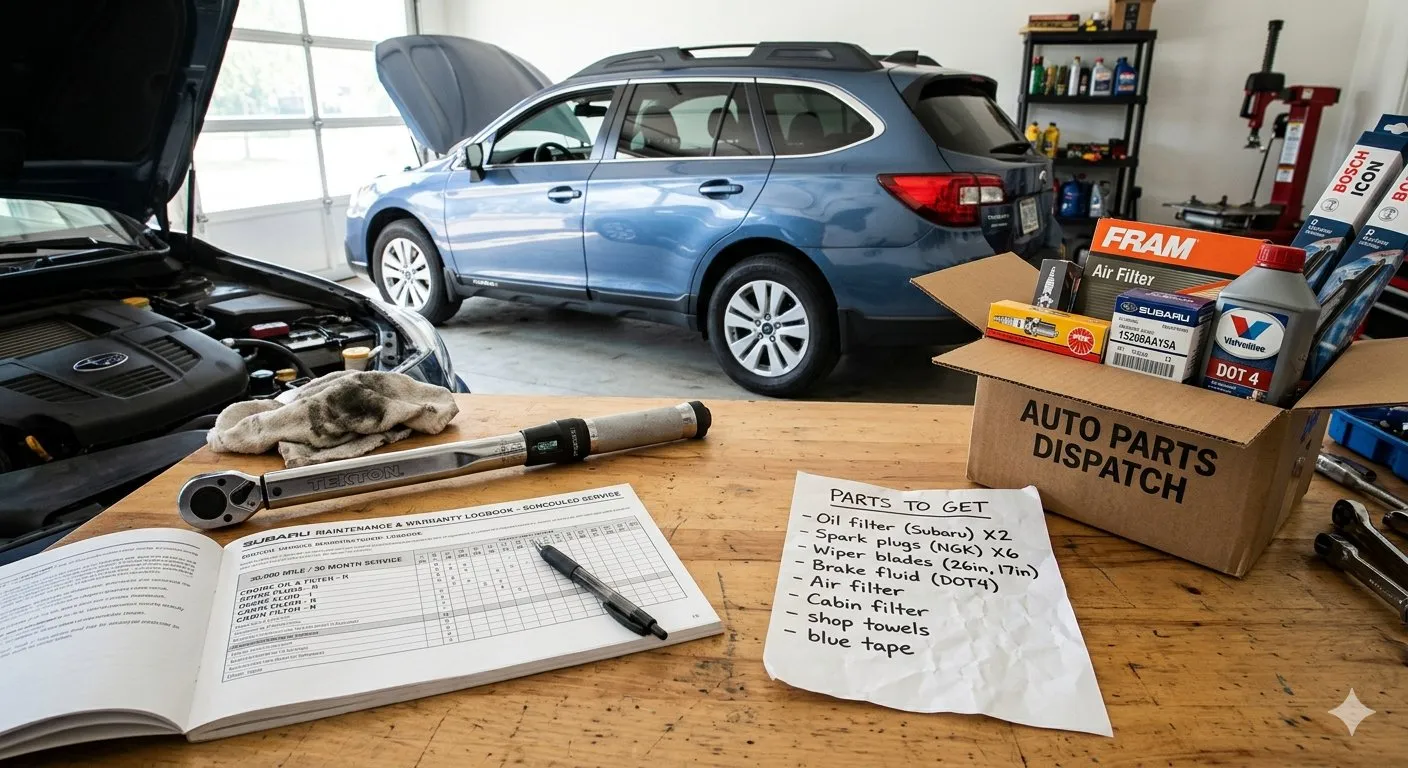
Vehicle manufacturers specify maintenance intervals for items such as fluids, filters, and certain belts. These schedules are based on engineering requirements and may change under severe operating conditions. Follow applicable guidance rather than ignoring a time-based service because the mileage is low. A scheduled item is not the same as an unrelated component that might fail someday. Keeping records allows the owner to recognize what is due without inventing additional replacement requirements. Manufacturer service intervals offer a useful starting point for scheduled upkeep.
Inspection Creates Evidence
An inspection evaluates the present condition. A technician may identify cracking, leakage, excessive play, or uneven wear that justifies further action. Ask what was found, why it matters, and whether repair is urgent. Photographs, measurements, and clear explanations make recommendations easier to assess. A list of suggested products without supporting observations is less useful. Inspections are most valuable when they help distinguish safety concerns, planned maintenance, and issues that can be monitored. Inspection results distinguish routine upkeep from urgent mechanical repairs.
Symptoms Need Diagnosis
A vibration, noise, smell, or warning light can involve several possible causes. Replacing the most commonly discussed part is not a reliable diagnostic method. Record when the symptom occurs and seek appropriate testing. Error codes and online discussions can guide investigation, but they should not be treated as conclusive evidence on their own. The correct repair might involve wiring, fluid condition, adjustment, or a smaller component rather than the large assembly initially suspected. Diagnose the fault before buying another potentially unnecessary assembly.
Operating Conditions Matter
Short trips, towing, heavy traffic, dusty roads, and temperature extremes can change service demands. Consult vehicle guidance for conditions that apply to your driving rather than relying on a generic mileage chart. Two cars with identical odometer readings may require different attention because one operates under more demanding circumstances. Use actual maintenance history and condition checks to refine the plan. This approach avoids both neglect and automatic purchasing based on rules that do not fit the vehicle. That detail deserves another check.
Turn Recommendations Into Priorities
Group tasks into immediate safety concerns, scheduled services, foreseeable repairs, and optional improvements. Ask for itemized estimates and understand the consequences of delaying each task. An urgent brake defect should not compete on equal terms with a cosmetic trim issue. At the same time, not every advisory requires purchasing a part immediately. Clear priorities make budgets more realistic and encourage repairs at the right time rather than during a stressful breakdown. Priorities should reflect mileage, usage, wear, and existing service records.
Shop Only After Defining the Need
Once a service or repair is justified, confirm the vehicle’s configuration and the exact components required. Check part numbers, package contents, supporting materials, and installation procedures. Decide whether the work is for a home workshop or a qualified technician. The purchase should follow the job plan, not determine it. This sequence prevents a cart from filling with components selected mainly because they are discounted or frequently recommended online. Confirming the repair requirement keeps the shopping list focused. Inspection findings distinguish scheduled upkeep from unnecessary purchases.
Review the Plan Periodically
A maintenance plan changes as a vehicle ages and new evidence appears. Revisit inspection notes after long trips, seasonal shifts, or unexpected repairs. Mark completed items with dates and mileage so they are not purchased twice. If a symptom persists after service, investigate again instead of simply adding another replacement to the list. A living record helps owners make better decisions and gives repair shops a clearer view of the vehicle’s history. Updating service notes after inspections improves future planning accuracy.
Conclusion
Maintenance schedules guide routine service, inspections document current condition, and diagnosis explains specific faults. Treating all three as shopping instructions can waste money or conceal an important safety issue. Owners should prioritize based on evidence, vehicle use, and manufacturer guidance, then select compatible components for confirmed work. TeamVehicle can be one resource when that purchasing stage arrives. A clear sequence from observation to repair creates a more organized and cost-conscious approach to ownership. Separating scheduled work from emergencies improves long-term maintenance budgeting.