


Modern motors and precision systems are becoming smaller, faster, and more efficient. Whether used in robotics, medical equipment, industrial automation, or electric vehicles, these systems require magnetic components that can deliver reliable performance within compact designs. Traditional magnets often struggle to meet these demands, especially when strong magnetic force is required in limited space.
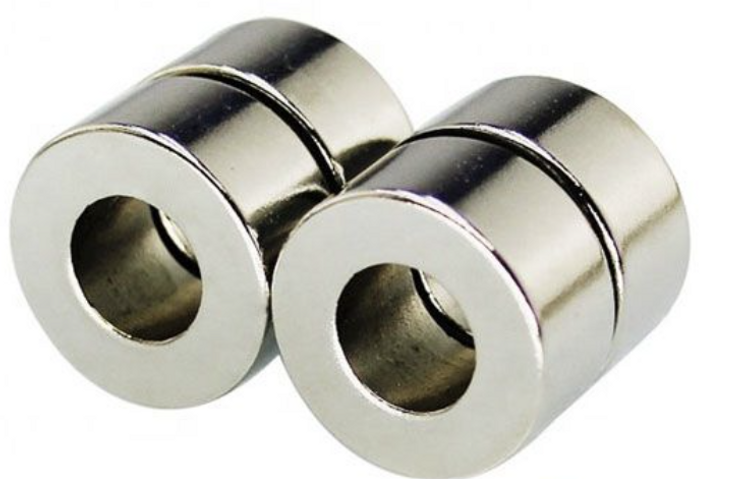
This is why NdFeB ring magnet products are widely used in modern engineering. Their magnetic strength, shape efficiency, and stable performance make them highly valuable in rotational systems and precision applications.
Why Ring Magnets Are Used in Rotational Systems
Unlike standard magnet shapes, ring magnets are designed with a hollow center that allows them to fit around shafts, bearings, and rotating components. This structure makes them ideal for systems involving circular motion and controlled magnetic alignment.
Neodymium ring magnets are commonly used in:
-
Electric motors
-
Sensors
-
Audio equipment
-
Precision instruments
-
Medical devices
Their shape allows engineers to integrate strong magnetic force into compact mechanical systems without increasing equipment size.
Strong Magnetic Output in Compact Designs
One of the biggest advantages of NdFeB magnets is their exceptional magnetic strength. Even small ring magnets can generate powerful magnetic fields that improve system efficiency and response.
This becomes especially important in modern motors, where space optimization matters. Manufacturers can use smaller magnetic assemblies while still achieving strong torque and reliable rotational performance.
Compact high-strength magnets also help reduce overall system weight, which benefits industries focused on energy efficiency and advanced engineering performance.
Supporting Motor Efficiency
Electric motors depend heavily on magnetic performance to convert electrical energy into motion. Stronger magnets allow motors to operate more efficiently while maintaining smoother and more controlled movement.
NdFeB ring magnets help improve:
-
Rotational accuracy
-
Torque generation
-
Motor responsiveness
-
Energy efficiency
-
Compact motor design
Because of these advantages, many advanced motor systems now rely on neodymium-based magnetic materials instead of traditional ferrite magnets.
Their performance supports applications ranging from industrial automation equipment to electric transportation technologies.
Precision Matters in Engineering Applications
Precision engineering systems require components capable of maintaining consistency under continuous operation. Even slight variations in magnetic performance can affect sensor accuracy, movement control, and equipment reliability.
Neodymium ring magnets are valued because they provide stable magnetic force with excellent repeatability. This helps engineers maintain precise movement and positioning in sensitive systems.
Industries using precision magnetic components include:
-
Robotics manufacturing
-
Aerospace engineering
-
Medical technology
-
Semiconductor equipment
-
Scientific instruments
In many of these systems, compact design and magnetic consistency are equally important.
Temperature and Environmental Considerations
Although NdFeB magnets are extremely strong, industrial environments can still affect their long-term performance. High temperatures, moisture exposure, and mechanical stress must be considered during system design.
Manufacturers often use protective coatings to improve corrosion resistance and maintain durability in challenging environments.
Selecting the correct magnet grade is also important because different NdFeB materials perform differently under heat exposure. Proper engineering helps ensure reliable operation during long production cycles.
Why Industries Prefer Neodymium Ring Magnets
The demand for smaller and more efficient equipment continues growing across industries. Neodymium ring magnets support this trend by allowing manufacturers to create compact systems without sacrificing magnetic performance.
Compared to many conventional magnets, they provide:
-
Higher magnetic strength
-
Better space efficiency
-
Improved motor performance
-
Stronger holding capability
-
More precise magnetic control
These advantages explain why NdFeB ring magnets are widely used in advanced engineering applications.
The Future of Compact Magnetic Systems
As industrial technology evolves, motors and automated systems will continue becoming more compact and intelligent. High-performance magnetic materials will remain essential for supporting these advancements.
NdFeB ring magnets are expected to play an even larger role in electric mobility, robotics, renewable energy systems, and next-generation automation technologies.
Their ability to combine compact size with strong magnetic force makes them one of the most important materials in modern precision engineering.
Conclusion
NdFeB ring magnets have become essential components in modern motors and precision engineering systems. Their compact structure, strong magnetic performance, and reliability help industries improve efficiency, accuracy, and equipment design flexibility.
As manufacturers continue developing advanced technologies, the importance of high-performance magnetic materials will continue growing. Companies searching for engineered magnetic solutions for industrial and precision applications can explore specialized products and advanced materials at regmetals.com.